











Last updated: 23 April 2026 · Material technologies and bikepacking trends keep evolving – we update this guide regularly.
Whether it's your daily commute, a weekend tour, or a multi-day bikepacking adventure – the right bike bag lets you carry your gear safely, comfortably and weatherproof. In this guide, we'll walk you through the 6 most important bag types, top brands like Ortlieb and Vaude, and what to look out for when buying – from everyday commuting to long-distance cycle touring.
The 6 Types of Bike Bags at a Glance
Not every bike bag suits every use. Here are the six main types at a glance:
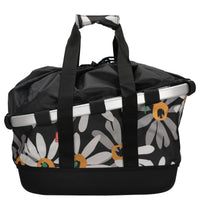
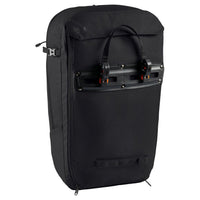
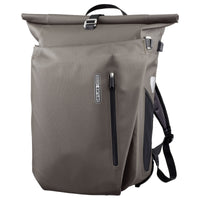
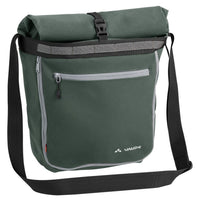
The classic choice for commuting, shopping and day trips. Quick-release attachment via QL system.
Fits between the top tube and down tube. Ideal for bikepacking and sportive rides.
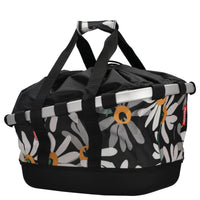
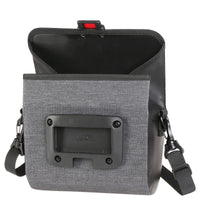
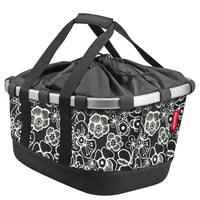
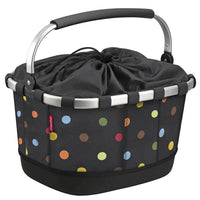
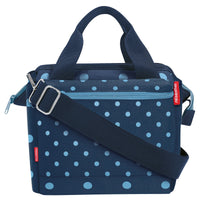
Quick access to valuables, smartphone, snacks and maps on the go.
Small: for a spare tube and tools. Large: bikepacking saddle bag for a sleeping bag.
For extended cycle tours: extra storage and better weight distribution.
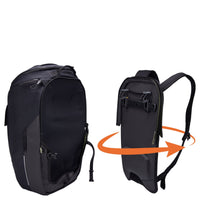
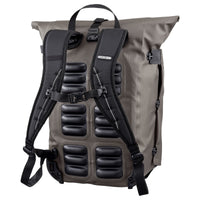
Ideal without a rack – with hydration system compatibility and rain cover.
Which Purpose Needs Which Bag?
Depending on how you use your bike, a different combination is best suited:
Commuting / Everyday
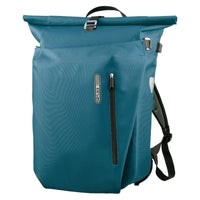
Recommendation: 20 L pannier + laptop compartment. Waterproof for rain, quick-release attachment for carrying to the office. Reflectors essential.
Shopping
Recommendation: Double pannier with folding sides. Keeps drinks separate from bread, with manageable weight on both sides.
Day Trip / Weekend Tour
Recommendation: 25 L pannier + 5 L handlebar bag for snacks and maps. Compact setup for 1–3 days.
Bikepacking
Recommendation: Frame, saddle and handlebar bags (no rack). Lightweight and aerodynamic, also suitable for gravel and MTB.
Cycle Touring (multiple days)
Recommendation: Double rear + front pannier set-up (60 L+). Plus a handlebar bag for valuables. Waterproof is a must.
Sport / MTB
Recommendation: 10–20 L cycling backpack with hydration system. No fixed bags on the bike for freedom of movement off-road.
Top Brands for Bike Bags
The leading manufacturers on the market – each brand with its own profile and strengths:
Ortlieb
The German market leader. Iconic roll-top dry bags, 5-year warranty, extremely waterproof.
Discover Ortlieb →Vaude
Outdoor manufacturer from Tettnang, Germany. A wide range of bag types for everyday use and touring.
Discover Vaude →Deuter
A strong backpack manufacturer with a focus on carrying systems. Cycling backpacks with AirStripes ventilation.
Discover Deuter →Thule
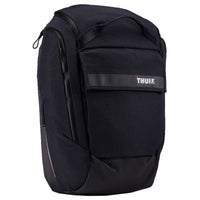
Premium Swedish manufacturer. Elegant design, often with a laptop compartment, ideal for city commuters.
Discover Thule →Acepac
Bikepacking specialist from the Czech Republic. Lightweight frame, saddle and handlebar bags for gravel & MTB.
Discover Acepac →Cyclite
German bikepacking newcomer. Ultralight bags for race setups and ambitious touring.
Discover Cyclite →6 Buying Criteria – What to Look Out For
A bike bag will often accompany you for 5–10 years, so good quality really pays off. Your bag should offer:
- Waterproofness: British weather demands it. A roll-top closure with an "IP64" standard rating keeps out heavy rain.
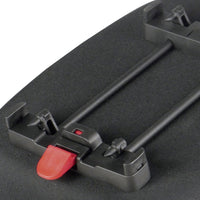
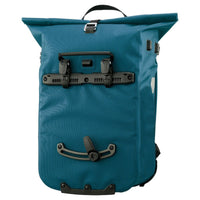
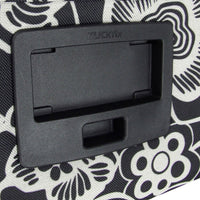
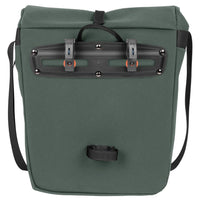
- Attachment system: QL systems (Ortlieb QL2.1, Vaude QMR) are the standard. Simply click on and it stays firmly in place.
- Volume: 15–20 L for everyday use, 20–30 L for touring, 40 L+ for cycle touring. It's better to buy bigger – a half-empty bag is fine.
- Reflectors: Visibility at dusk and in the dark. Side reflective strips as a minimum.
- Weight: A 20 L bag weighs between 900 g and 1.5 kg empty. Every gram counts for bikepacking.
- Internal layout: Main compartment, laptop sleeve, small pockets for keys and phone. Single-compartment design for outdoor adventures.
Commuter tip: A pannier with a detachable shoulder strap makes switching from bike to office effortless. Models like the Ortlieb Commuter-Bag or Vaude eBack Single offer this feature.
Bikepacking – Light and Flexible on the Road
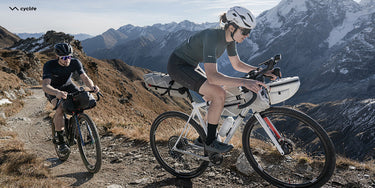
Instead of classic panniers, bikepackers use a frame-mounted bag set: frame bag, saddle bag and handlebar bag. Advantages:
- No rack required: Bags attach directly to the frame – also suitable for gravel, MTB and road bikes
- Aerodynamic: Narrower profile, less wind resistance
- Weight distribution: Centred on the frame – better handling than one-sided panniers
- Off-road ready: No dangling bags on singletrack or when carrying the bike up steps
Our recommendations come from Acepac, Cyclite and Ortlieb. If you want to travel ultralight, Cyclite offers bags weighing under 100 g.
Cycling Backpack as a Complement or Alternative
For day trips, MTB or sportive rides, a cycling backpack can be a better choice than fixed bags on the bike – especially if you're riding without a rack. Key features to look for:
- Ventilation: Air channels on the back prevent a sweaty shirt
- Hydration system: 2–3 L reservoir built in for day trips
- Chest strap: Provides stability even on steep descents
- Volume: 10–20 L for day rides, 25 L+ for enduro days
You'll find fitting tips in our backpack fitting guide. See also our comparison in the bikepacking packing list article.
Care and Longevity
A high-quality bike bag lasts 5–10 years. Here's how to keep it in top condition:
- After rain: let it dry out from the inside, not in direct sunlight
- Wipe off dirt with lukewarm water and a mild cleaner
- Rinse the roll-top closure with clean water after a muddy ride
- Treat zips regularly with silicone spray
- If damaged: use the manufacturer's repair service (Ortlieb and Vaude offer repairs)
Frequently Asked Questions About Bike Bags
Which bike bag is best for commuting?
A pannier with 15–20 L capacity, a laptop compartment and a detachable shoulder strap. Waterproof (IP64 or better) with quick-release attachment for everyday office use. Popular choices: Ortlieb Commuter or Vaude eBack Single.
What is bikepacking – and which bags do I need?
Bikepacking is bike touring without a rack. You'll need a frame bag (2–6 L), a saddle bag (8–16 L) and a handlebar bag (10–15 L). Ideal for gravel, MTB and road bikes. Brands: Acepac, Cyclite, Ortlieb.
Are bike bags really waterproof?
Good bike bags with a roll-top closure (IP64 standard) withstand even heavy rain. Most Ortlieb models are rated IP67, meaning they can even survive brief submersion. Zipped bags without a special closure are usually only water-resistant.
Which is the best brand for bike bags?
Ortlieb is considered the market leader for classic panniers and handlebar bags, with a 5-year warranty. Vaude stands out for versatility, Acepac and Cyclite lead the bikepacking segment, and Thule excels at premium commuter bags.
How much volume do I need for a cycle tour?
Roughly 40–60 L total capacity per week of cycle touring. That works out to a pair of rear panniers (20 L each) plus optionally a front pair (12 L each) plus a 5 L handlebar bag. With a bikepacking setup, 20–25 L less is often enough.
How do I clean my bike bag?
Lukewarm water with a mild detergent and a soft sponge. Once dry, treat the roll-top closure with silicone spray. Don't put it in the washing machine (it will ruin the waterproof coating). For mould: use a vinegar-water solution, then let it dry completely.
Conclusion: The Right Bike Bag for Every Purpose
Whether it's your daily commute, a shopping trip or a multi-day cycle tour – the right type of bike bag makes every ride more relaxed. Our recommendations:
- Commuting: Waterproof pannier with laptop compartment – see Ortlieb Commuter
- Day trip: Pannier + handlebar bag – see Vaude
- Bikepacking: Frame + saddle + handlebar bag – see Acepac or Cyclite
- Cycle touring: Full pannier sets – see Ortlieb
- MTB / Sport: Cycling backpack with hydration system – see Deuter
For more inspiration, check out our guides on bikepacking packing lists, adjusting your backpack correctly or packing your backpack correctly.